

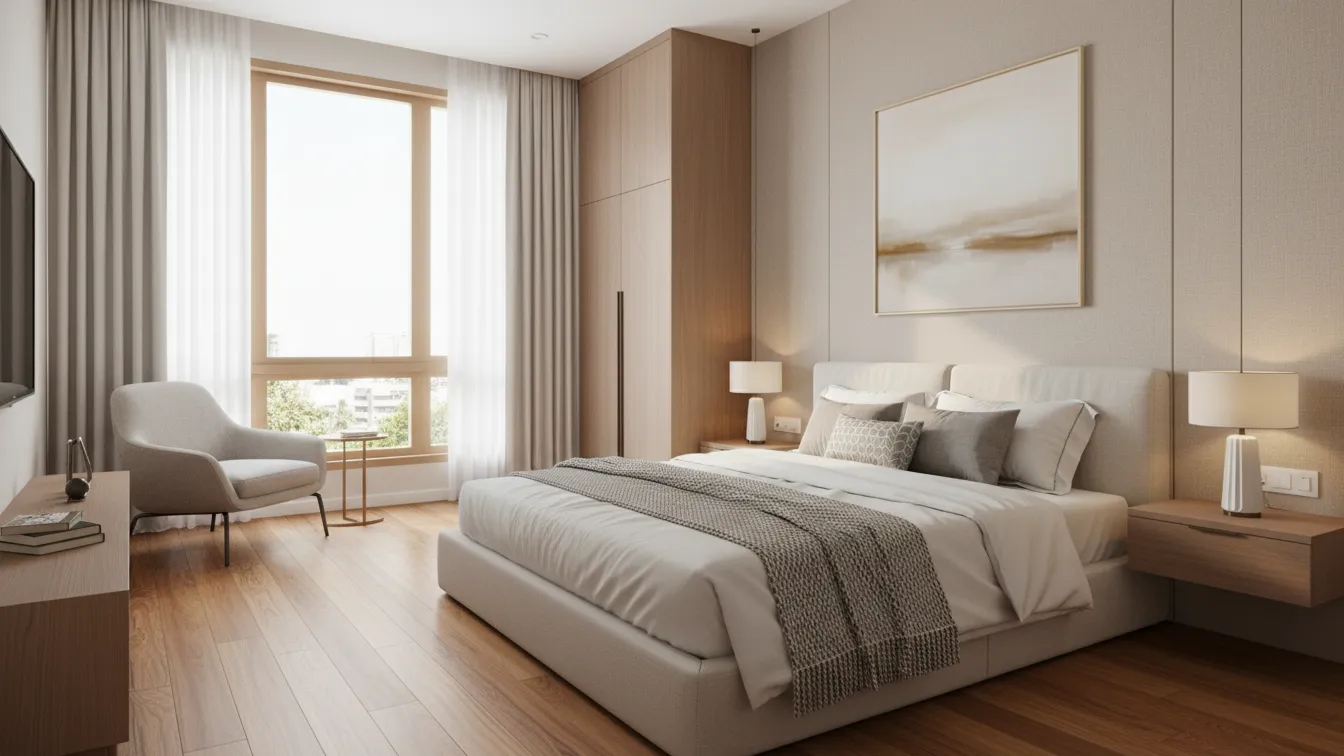
Design is often misunderstood as decoration. In reality, good residential design begins long before finishes or colors are chosen. It starts with understanding how people move, rest, work, and connect within a space. Thoughtful design transforms buildings into environments that support daily life naturally and comfortably.
One of the most important elements of modern residential design is space efficiency. This does not mean making homes smaller — it means ensuring every square foot serves a purpose. Poorly planned homes waste space through awkward layouts, oversized corridors, or poorly positioned rooms. Thoughtful design eliminates these inefficiencies, allowing homes to feel spacious without unnecessary excess.
Natural light and ventilation are equally essential. A well-designed home works with its surroundings rather than against them. Proper orientation allows sunlight to enhance interiors while reducing heat gain. Cross-ventilation improves air quality and reduces reliance on artificial cooling. These design decisions directly affect comfort, health, and energy consumption.
Privacy is another key consideration. Modern homes must balance openness with separation. Living areas should encourage interaction, while bedrooms and personal spaces must offer retreat and calm. Design that respects privacy enhances mental well-being and creates a sense of security within the home.
Materials and finishes play a role too, but their importance lies in performance as much as appearance. Durable, low-maintenance materials reduce long-term costs and preserve the home’s character over time. Quality finishes should age well, not demand frequent replacement.
Design also influences how homes adapt to changing lifestyles. As work-from-home arrangements become more common, flexible spaces have become essential. A thoughtfully designed home allows rooms to serve multiple purposes without compromise. This adaptability increases the home’s relevance over time and protects its value.
Beyond individual units, residential design extends to shared spaces. Landscaped areas, pathways, entrances, and amenities shape daily experiences. These shared environments should feel welcoming, safe, and intuitive to use. When designed well, they encourage community while maintaining personal comfort.
Ultimately, thoughtful design is invisible when done right. It doesn’t draw attention to itself — it simply works. Homes designed with care feel balanced, comfortable, and effortless to live in. In a world where homes must support increasingly complex lives, good design is no longer optional; it’s essential.